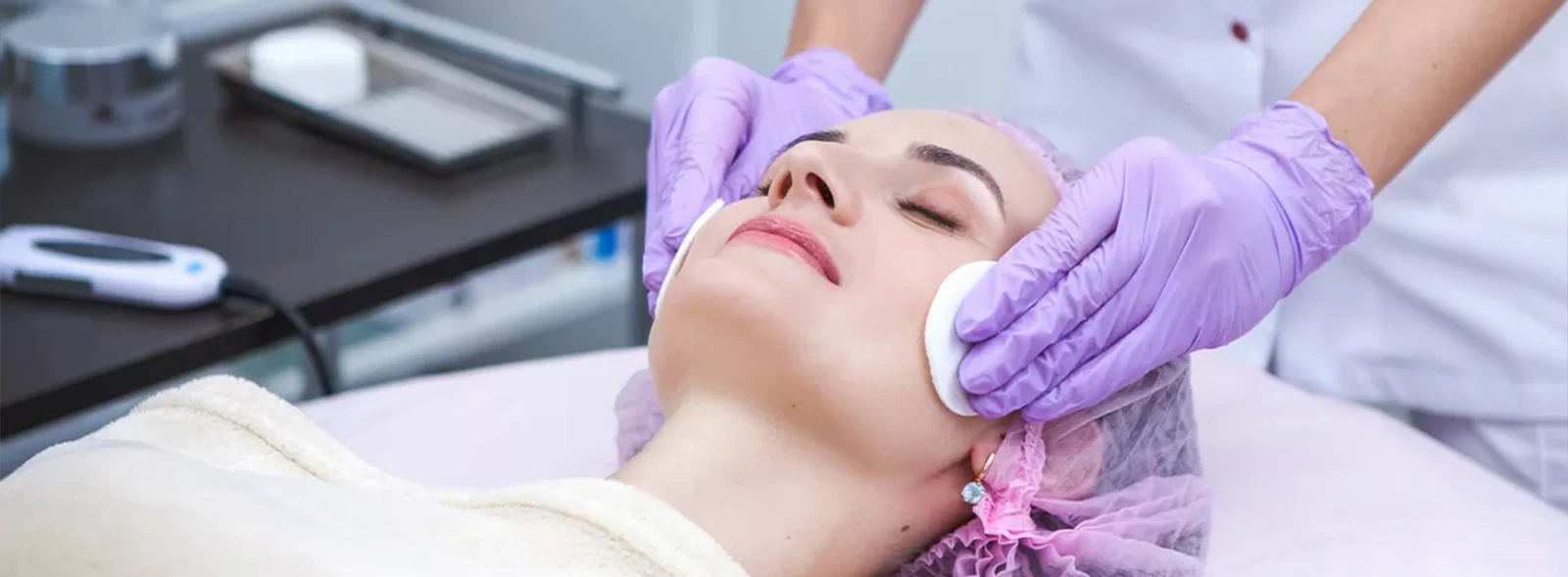
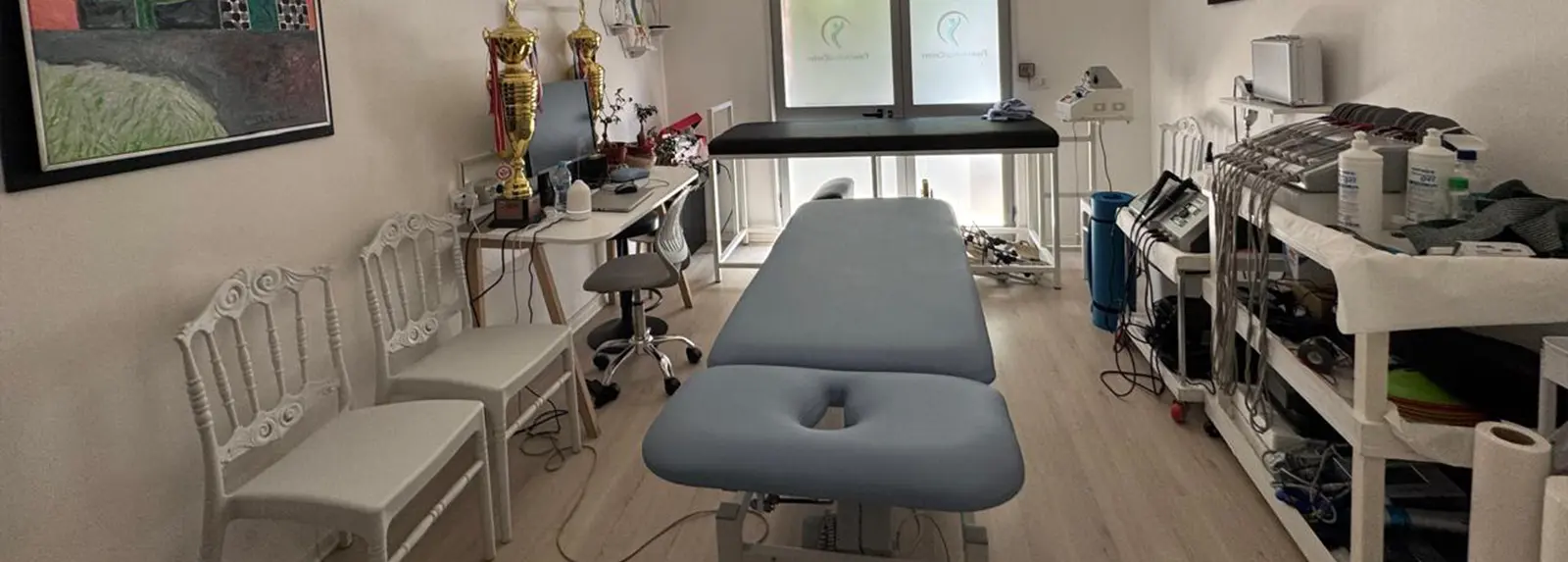
Neuromobilization (or neural mobilization) is an advanced, highly specific manual therapy technique that focuses directly on your nervous system. Often, the pain we feel does not stem from muscles or joints, but from nerves that have become compressed, restricted, or irritated along their pathway through the body. This clinical intervention aims to free these nerves, restoring their elasticity and the necessary space to function without hindrance.
Through careful and calculated movements, our physiotherapists apply "nerve gliding" techniques that help the nerve move freely through the surrounding tissues. If you suffer from tingling sensations, numbness, or radiating pain (such as sciatica), neuromobilization targets the exact source of the problem, improving the transmission of nerve signals and significantly alleviating your symptoms.
Benefits
Treating trapped nerves requires a specialized approach that goes beyond traditional massage or basic exercises. This treatment provides you with:
Rapid relief from shooting and radiating pain in the arms or legs.
Significant reduction in numbness, "pins and needles" sensations, and muscle weakness.
Release of compressed nerves in conditions such as Carpal Tunnel Syndrome or sciatica.
Marked improvement in flexibility and range of motion without provoking nerve tension.
Restoration of normal function to the nervous system, stimulating its self-healing capabilities.
FAQ
Diagnosing and treating nerve-related pain can sound complex. Below, we have summarized the most frequently asked questions to give you complete clarity about neuromobilization therapy.
Muscle pain is usually described as a heavy, stiff, or sharp ache when moving a joint. Nerve pain (neuropathy), on the other hand, is often described as a burning, shooting, or "electric shock" sensation, frequently accompanied by numbness and tingling that spreads down the arm or leg.
Just like muscles, nerves need to stretch and glide freely when we move. If a nerve becomes trapped by surrounding tissues (due to inflammation or trauma), movement causes pain. We use specific body positions to gently move (or "glide") the nerve, releasing tension and improving blood circulation around it.
Neuromobilization should be a very gentle and careful procedure. During therapy, we may slightly recreate your symptoms (such as a mild pull or momentary numbness) to pinpoint the exact area of restriction, but the treatment does not require harsh force or pressure and should never be deeply painful.
This technique is vital for treating conditions such as sciatica (pain in the back of the leg), Carpal Tunnel Syndrome (numbness in the hands), herniated discs that compress nerve roots, and nerve pain following orthopedic surgeries.
Yes, absolutely. We will teach you specific "nerve glide" (or nerve flossing) exercises that you can safely perform at home. These movements are essential to keep the nerves moving freely and to prevent the pain from returning between sessions.
Nerves are delicate tissues and take time to heal, so our approach is gradual. However, many patients experience a reduction in numbness or radiating pain after just the first few sessions as the pressure on the nerve begins to decrease.